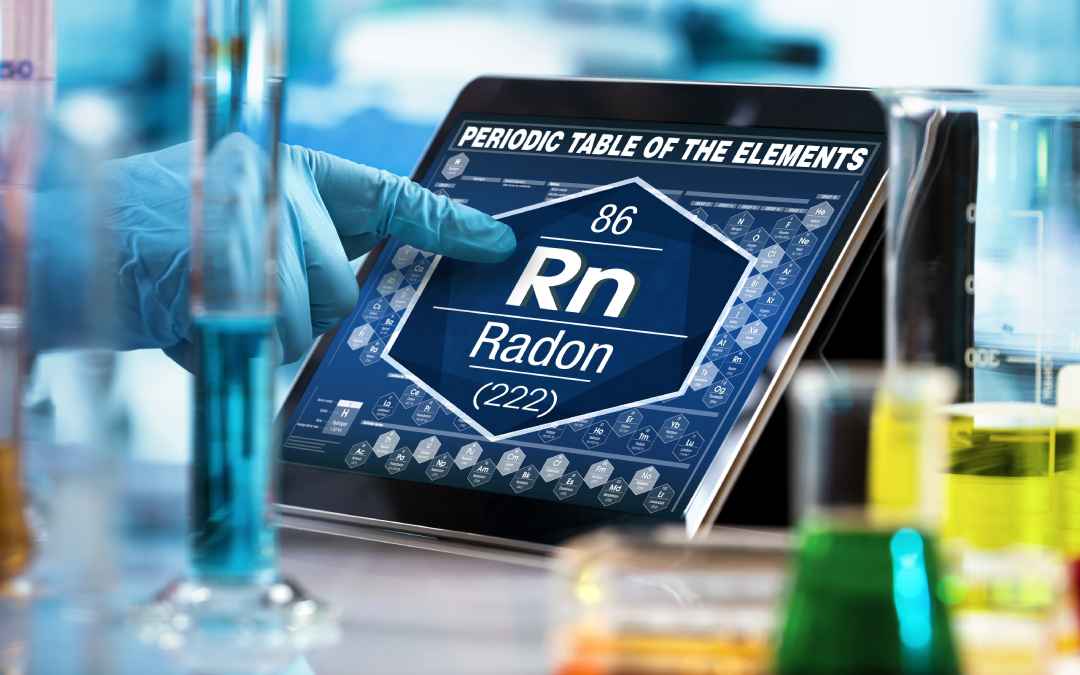
Radon testing is one of the most important yet overlooked steps in protecting a home and everyone inside it. Whether purchasing a first house or maintaining a long-time residence, radon testing plays a critical role in ensuring indoor air is safe to breathe. Because radon is invisible, odorless, and naturally occurring, professional testing is the only reliable way to know whether dangerous levels are present.
Understanding Why Radon Testing Matters
Radon is a radioactive gas that forms naturally as uranium breaks down in soil and rock. It can seep into homes through foundation cracks, crawl spaces, sump pumps, and other openings. According to the Environmental Protection Agency, radon exposure is the second leading cause of lung cancer in the United States and the leading cause among non-smokers.
What makes radon especially concerning is that homes of any age, size, or location can have elevated levels. Even neighboring houses can produce drastically different test results. That unpredictability is why radon testing is not just recommended during real estate transactions but encouraged as part of routine home maintenance.
How Professional Radon Testing Works
Professional radon testing uses specialized equipment designed to measure radon concentrations accurately over a specific period. Short-term tests typically run for 48 hours, while long-term tests may measure levels for 90 days or more to provide a broader picture of exposure.
Certified radon professionals follow strict protocols regarding device placement, closed-house conditions, and timing. These procedures ensure the results reflect realistic living conditions while minimizing outside interference. Professional testing eliminates guesswork and provides dependable data that DIY kits may not always guarantee.
After testing, results are measured in picocuries per liter (pCi/L). The EPA recommends taking action if radon levels measure 4.0 pCi/L or higher. If elevated levels are found, mitigation systems can be installed to reduce radon concentrations significantly, often bringing them well below recommended action levels.
Radon Testing During the Homebuying Process
For homebuyers, radon testing offers negotiating power and peace of mind. A professional test during the inspection period ensures there are no hidden air quality concerns before closing. If high radon levels are discovered, sellers can often install a mitigation system prior to finalizing the sale.
Mortgage lenders and relocation companies sometimes require testing as part of the transaction process. Even when it is not mandatory, skipping this step can mean inheriting an invisible health risk along with the new home.
Homes with documented radon testing and mitigation systems may also appeal more strongly to future buyers. Demonstrating proactive indoor air safety can strengthen resale value and buyer confidence.
When Homeowners Should Schedule a Test
Radon levels can change over time due to soil shifts, renovations, weather patterns, or foundation modifications. That is why experts recommend radon testing every two years, even if previous results were low. Testing is also advisable after finishing a basement, installing new HVAC systems, or completing major structural work.
Seasonal factors matter as well. Radon levels are often higher in colder months when homes are sealed tightly, making fall and winter ideal times for testing. However, testing can be performed year-round if proper conditions are maintained.
Ultimately, radon testing is a small investment with significant returns. It protects health, supports property value, and provides clarity in an area where uncertainty can be costly. Professional testing ensures accuracy, compliance with established standards, and expert guidance if mitigation becomes necessary.
For homebuyers and homeowners alike, testing is not simply another box to check. It is a proactive step toward a safer, healthier living environment and long-term peace of mind.
Elite Home Inspections offers comprehensive home inspections in Sumter, Clarendon, Lee, Darlington, Florence, and Hartsville, South Carolina. Contact us to schedule an inspection today.