
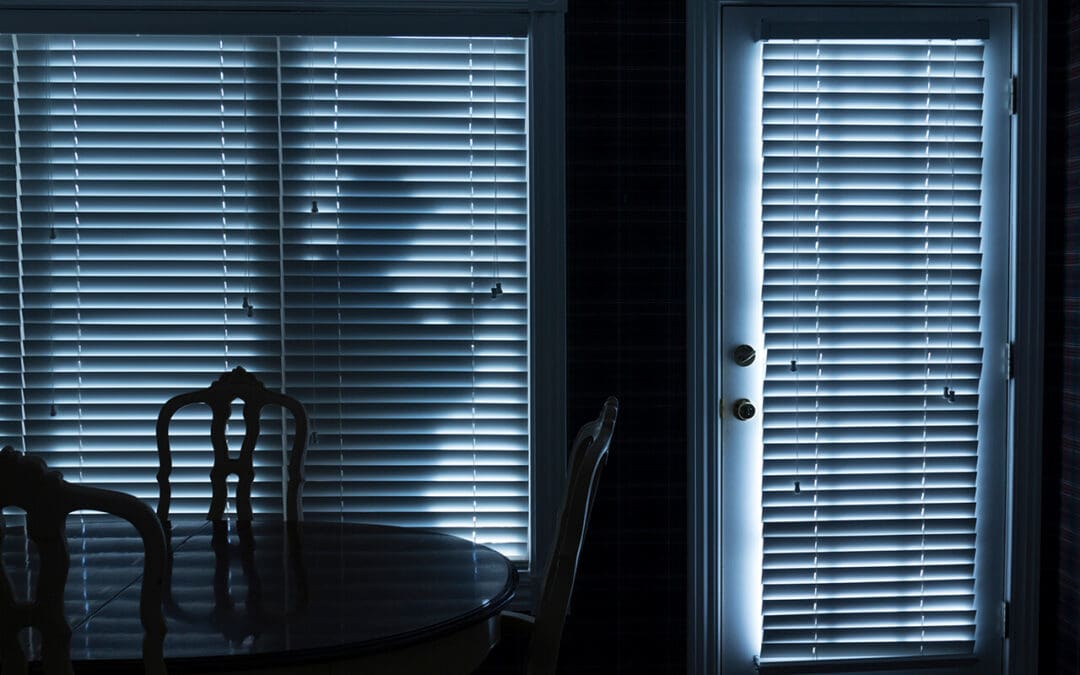
Most homeowners want to keep their home safe but assume it requires a significant investment in professional security systems or complex upgrades. The reality is that the most effective home safety measures are often the simplest: habits and low-cost improvements that address the specific vulnerabilities most homes share. Whether the concern is break-ins, accidents, or the quiet hazards that develop unnoticed, the steps that keep your home safe most reliably are the ones implemented and maintained consistently rather than planned and deferred.
Practical Steps to Keep Your Home Safe Inside and Out
A significant percentage of residential break-ins occur through unlocked doors and windows, not forced entry. The habit of locking every entry point when leaving, including side gates, garage doors, and sliding glass doors, is the most basic step to keep your home safe and costs nothing to implement. A deadbolt on every exterior door and a security bar in every sliding door track addresses the physical vulnerability that a simple latch doesn’t. For extra peace of mind, a smart lock with remote monitoring takes the guesswork out of whether the door got locked on the way out.
Keep Your Home Safe With Better Exterior Lighting
Darkness is the primary cover that opportunistic intruders depend on. Motion-activated lighting at entry points, along the driveway, and at any dark corner of the property removes that cover at minimal cost. A well-lit exterior signals that the home is occupied and attentive, two qualities that push opportunistic activity toward easier targets. Replacing burned-out exterior bulbs promptly and extending lighting to any blind spots keeps the deterrence effect consistent.
Remove the Signals That Say Nobody’s Home
Mail overflowing from the box, packages sitting on the porch for days, and social media posts announcing travel plans signal that a home is unoccupied. To keep your home safe during travel, suspend mail delivery, arrange for package pickup, and avoid sharing real-time location updates until after returning. A light on a timer, or a smart plug that varies the schedule, creates the impression of occupancy that an obviously dark home doesn’t.
Address the Indoor Hazards That Keep Your Home Safe Year-Round
Home safety isn’t only about security from outside, it’s about protecting the people inside from hazards that develop within. Smoke detectors tested monthly and replaced every ten years, carbon monoxide detectors on every level, a fire extinguisher in the kitchen, and non-slip mats in bathrooms and on staircases address the categories of home accident that statistically affect far more households than break-ins. Keeping cleaning products and medications out of reach of children, and ensuring all ground-floor windows have functioning locks, rounds out the indoor safety picture that exterior measures alone don’t cover.
Build the Habits That Make Safety Automatic
The most effective approach to keep your home safe isn’t any single upgrade, it’s the combination of consistent habits and basic physical measures that become second nature over time. A home where doors are always locked, lights always cover entries, hazards are always addressed promptly, and absence is never broadcast is a home that is safer than most. Small actions, done consistently, are what keep your home safe day after day without requiring a major investment or ongoing effort.
Elite Home Inspections offers comprehensive home inspections in Sumter, Clarendon, Lee, Darlington, Florence, and Hartsville, South Carolina. Contact us to schedule an inspection today.