
Kitchen safety is one of those things that often gets overlooked until something goes wrong. The kitchen is the heart of the home, but it’s also where some of the most common household accidents happen. From burns to fires and food contamination, risks build quickly without the right habits in place. By understanding how to manage these everyday dangers, homeowners can protect their families and enjoy a more confident cooking experience. Creating a safe kitchen doesn’t require complicated upgrades or expensive tools. It starts with awareness and a few practical adjustments that make a big difference over time.
Kitchen Safety Starts with Organization
A cluttered kitchen is more than just an eyesore; it’s a hazard. Good kitchen safety begins with keeping workspaces clean and organized. Items left near the stove could catch fire, while overcrowded counters increase the chances of spills and accidents. Storing sharp tools like knives properly is another key step. When knives are tossed loosely into drawers, they become dangerous. A designated knife block or magnetic strip not only protects the blades but also reduces the risk of injury. Even small habits, like wiping up spills immediately, help prevent slips and falls. Staying organized allows for smoother movement and better focus while cooking, both of which are essential for maintaining safety.
Fire Prevention and Kitchen Safety Essentials
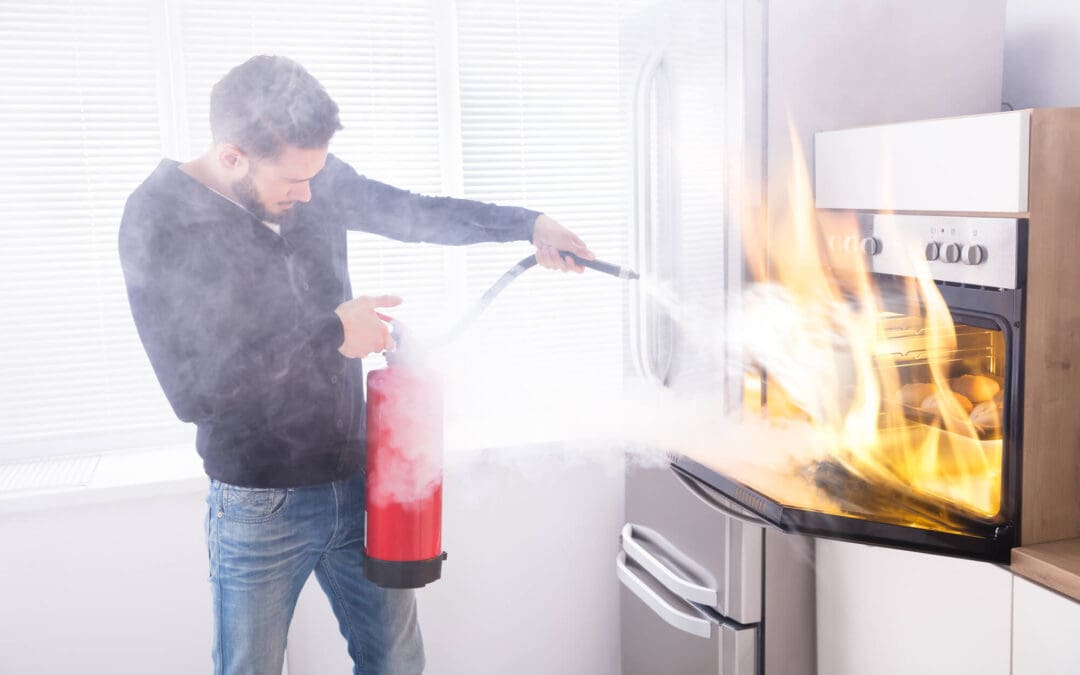
Fire is one of the biggest risks in any kitchen. Unattended cooking is a leading cause of household fires, making attentiveness a critical part of kitchen safety. Staying in the kitchen while frying, grilling, or broiling could prevent emergencies. It’s also important to keep flammable items like towels, paper products, and curtains away from heat sources. Grease buildup on stovetops and in ovens could ignite if not cleaned regularly, so routine maintenance plays a major role in prevention. Having a fire extinguisher within reach is a smart precaution. Knowing how to use it could make all the difference in a critical moment. Smoke detectors should also be installed nearby and checked regularly to ensure they’re working properly.
Safe Food Handling and Habits
Kitchen safety also includes protecting against foodborne illnesses. Proper food handling is important for maintaining a healthy home environment. Washing hands thoroughly before and after handling food is a simple but powerful habit. Cross-contamination, especially between raw and cooked foods, could spread harmful bacteria. Using separate cutting boards for meats and vegetables helps minimize this risk. Temperature control is equally important. Foods should be cooked to the appropriate internal temperature and stored correctly to prevent spoilage. Refrigerators should be kept at safe temperatures, and leftovers should be consumed within a reasonable time frame. By incorporating these habits into daily routines, homeowners can significantly reduce the risk of illness.
Building Long-Term Awareness
Kitchen safety is an ongoing mindset. The more consistently safe practices are followed, the more natural they become. Over time, these habits create a kitchen environment that feels both efficient and secure. Regularly reviewing safety measures, updating equipment when needed, and staying mindful during cooking all contribute to long-term protection. A safe kitchen ultimately supports better cooking, healthier living, and greater peace of mind.
Elite Home Inspections offers comprehensive home inspections in Sumter, Clarendon, Lee, Darlington, Florence, and Hartsville, South Carolina. Contact us to schedule an inspection today.