
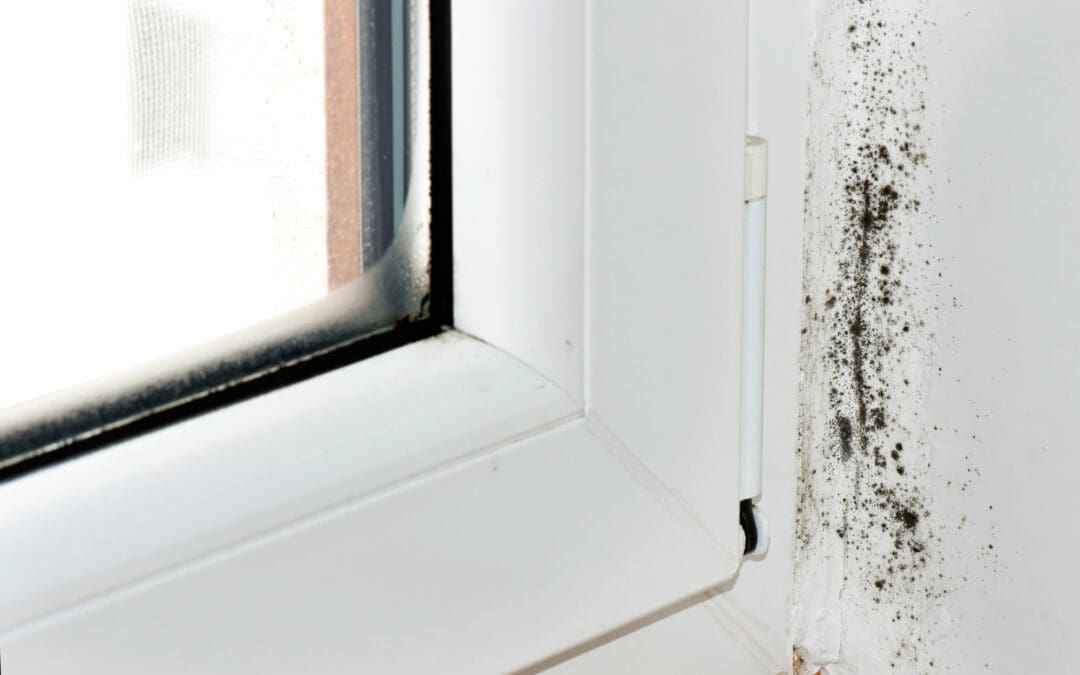
Mold is one of the most common and costly issues homeowners face, yet it often develops quietly out of sight. Learning how to prevent mold growth is crucial for protecting your home’s structure, indoor air quality, and overall livability. Mold thrives in damp, poorly ventilated environments, which means that minor moisture problems can quickly escalate into major concerns if left unaddressed. With the proper habits and awareness, homeowners will significantly reduce the risk of mold taking hold.
Why Moisture Control Matters
At its core, mold is a moisture problem. Any area of the home that consistently holds moisture becomes a prime breeding ground. Bathrooms, kitchens, basements, crawl spaces, and laundry rooms are especially vulnerable. Even everyday activities, such as cooking, showering, and drying clothes, release moisture into the air. Without proper ventilation and humidity control, that moisture settles into walls, ceilings, and flooring, creating ideal conditions for mold to grow over time.
Prevent Mold Growth Through Proper Ventilation
One of the most effective ways to prevent mold growth is to ensure adequate ventilation throughout the home. Exhaust fans in bathrooms and kitchens help remove excess moisture before it has a chance to linger. Opening windows when weather allows and keeping air circulating reduces condensation on surfaces. Attics and crawl spaces also need proper airflow, as trapped moisture in these areas often goes unnoticed until mold becomes widespread.
Managing Leaks and Water Intrusion
Water leaks are a leading cause of mold problems. Dripping pipes, roof leaks, foundation cracks, and poorly sealed windows allow moisture to accumulate behind walls or under flooring. Even small leaks cause damage over time if they remain undetected. Regularly checking plumbing connections, monitoring ceilings for discoloration, and addressing water intrusion quickly are critical steps to prevent mold growth and limit long-term damage.
Prevent Mold Growth With Consistent Maintenance
Routine home maintenance plays a major role in mold prevention. Cleaning gutters, directing downspouts away from the foundation, and ensuring proper grading around the home help keep water from entering where it shouldn’t. Inside the home, promptly drying spills, maintaining appliances like dishwashers and washing machines, and controlling humidity levels all contribute to a healthier environment. A well-maintained home is far less likely to develop hidden moisture issues that lead to mold.
Humidity Control and Indoor Conditions
Humidity levels inside the home should ideally remain below 60%. When indoor air becomes too humid, condensation forms on windows, pipes, and walls, creating moisture that mold needs to thrive. Dehumidifiers can be especially helpful in basements or other damp areas. Heating and cooling systems should also be serviced regularly to ensure they are effectively managing moisture as well as temperature.
Early Detection and Awareness
Preventing mold growth involves recognizing early warning signs. Musty odors, persistent condensation, and visible discoloration on walls or ceilings should never be ignored. Catching these signs early allows homeowners to address moisture sources before mold spreads. Staying alert and responding quickly helps protect both the home and the people living in it.
Preventing mold growth requires a combination of awareness, maintenance, and proactive moisture control. By managing ventilation, addressing leaks promptly, and maintaining healthy indoor conditions, homeowners will reduce the risk of mold and protect their investment for years to come.
Elite Home Inspections offers comprehensive home inspections in Sumter, Clarendon, Lee, Darlington, Florence, and Hartsville, South Carolina. Contact us to schedule an inspection today.